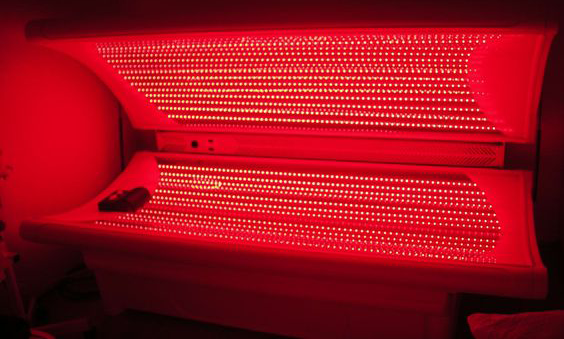
Red Light Therapy, we reveal all its benefits
Red light therapy, also known as red light phototherapy or low-level light therapy, is a non-invasive technique that uses low-intensity red light to activate biological processes in the body's cells. This therapy is based on the ability of red light to activate the mitochondria, the "powerhouses" of our cells, which produce energy in the form of adenosine triphosphate (ATP). By absorbing red light, the mitochondria can produce more ATP, which improves cellular efficiency and promotes damage recovery.
Benefits
- Improve nighttime rest and the circadian rhythm
- Accelerates muscle recovery and reduces pain after resistance exercises
- Increases athletic performance and reduces fatigue
- It serves as a dermatological treatment for the health, tone, texture, and reduction of wrinkles in the skin
- Relieves pain and inflammation, contributing to a better quality of life for people with rheumatoid arthritis
- LED lights that emit red light typically consume less energy than those that emit white or full RGB light.
What makes it so powerful?
The red light has wavelengths between 620 and 750 nanometers, allowing it to penetrate more deeply with less dispersion compared to other parts of the visible spectrum. Additionally, it is a sensory tool that can transform the experience of a space, influence our biological rhythms, and add therapeutic or emotional value. For those of us who work in lighting design, understanding its power allows us to create more human, healthier, and more beautiful environments.
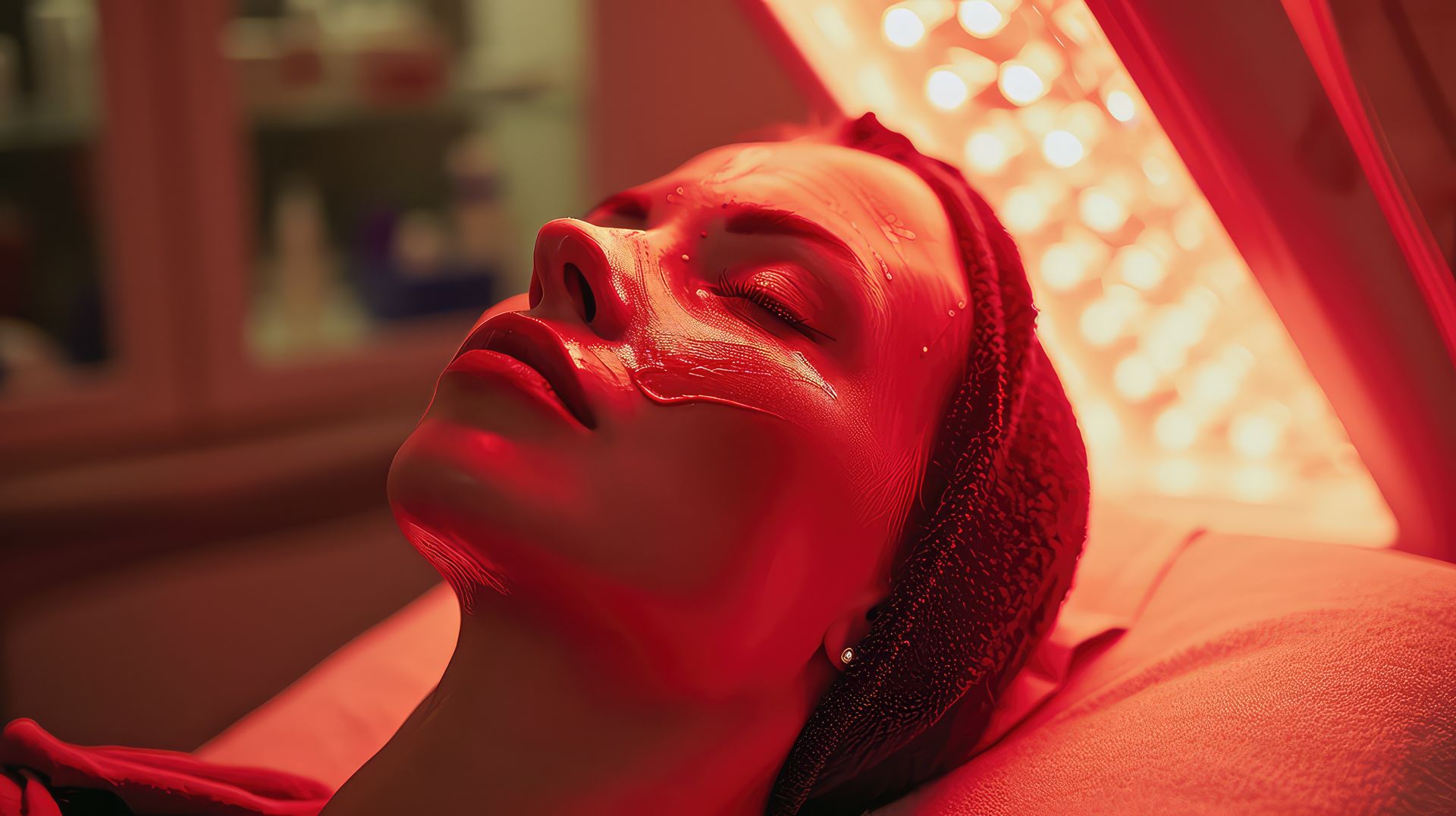
An essential tool in environmental conservation
In natural areas, red lighting minimizes the impact on nocturnal wildlife, being less disruptive to their circadian cycles.
In natural areas and ecological reserves, red lighting is used to minimize the negative impact on nocturnal wildlife. White or blue light can disorient animals such as insects, birds, and mammals, altering their behavior patterns and cycles of feeding, migration, and reproduction. In contrast, red light is less intrusive due to its wavelength.
Additionally, red lighting attracts fewer nocturnal insects, maintaining ecological balance and reducing disturbance in local ecosystems. This contributes to the preservation of natural habitats, promoting biodiversity and the health of ecosystems.
Applications in Interior Spaces
- Health and Wellness: Red light can reduce eye strain and improve sleep quality by promoting the production of melatonin. Ideal for bedrooms and therapeutic environments.
- Psychology and Mood: Red lighting can create a sense of warmth and comfort. It is used in environments where activity and interaction are encouraged, such as gyms and restaurants.
- Interior Decoration and Design: In interior design, red light adds drama and sophistication to bars, theaters, and entertainment spaces, highlighting architectural and decorative features.
ConsiderationsAmbientales
- Energy Consumption: Red LED lights are energy-efficient and have a long lifespan, contributing to environmental sustainability.
- Light Pollution: Red light is less intrusive than white or blue light, but it is important to design lighting systems that minimize scattering and glare, protecting both the environment and human health.
- Intensity control: Ideally, the red light should be regulated by dimmers or sensors that allow for adjusting its intensity according to the time or activity.